
Reviewed · PORTLAND NEIGHBORHOOD & DOWNTOWN WALKS
A Guided Walking Tour of Fabulous Downtown Portland, Oregon
Downtown Portland makes sense on foot. This guided walk threads together public art and civic spaces with easy pacing over about 1.5 miles, so you leave feeling like you can read the city instead of just passing it. I like that the route is built around recognizable landmarks you can point to later.
I also like the local guide factor: you get a person who can connect what you see now to how Portland became Portland. One possible consideration is that the exact emphasis can shift by guide, so if you want a very fixed, building-by-building script, ask questions early and be ready for some route variation.
In This Review
- Key highlights worth knowing
- Pioneer Courthouse Square: the best place to start downtown Portland
- The South Park Blocks: green blocks, art, and a Portland identity lesson
- Oregon Historical Society and Richard Haas mural: how the past shows up in the present
- The oldest art museum in the Pacific Northwest: Pietro Belluschi’s simple design
- Portland’5 Centers for the Arts: art atmosphere plus a real restroom break
- Whimsical sculptures and Michael Graves: why the Portland Building is a lightning rod
- Portlandia and the tiny park: photo stops with a Portland sense of humor
- Tom McCall Waterfront Park: the riverfront payoff you can feel
- Ending with a historic truss-bridge view at Salmon Street Springs
- Price and value: what $39 buys you in downtown Portland
- Getting the most from your guide (without needing a perfect itinerary)
- Who should book this Portland downtown walking tour
- Should you book this tour?
- FAQ
- How long is the guided walking tour?
- How far do we walk?
- Where do we meet and where does the tour end?
- What is included in the price?
- Is this a private tour?
- Do I need good weather?
- Can I bring a service animal?
Key highlights worth knowing
- 1.5 miles in ~2 hours: a brisk but doable downtown loop.
- Pioneer Courthouse Square + South Park Blocks: major public spaces that explain Portland’s “city inside green” idea.
- Oregon Historical Society and the Oregon History mural by Richard Haas: a clear visual time line moment.
- Architecture stops that split opinions: the Portland Building (Michael Graves) and the Belluschi-designed museum.
- Portlandia and the tiny park concept: copper statue scale plus Portland’s playful street culture.
- Tom McCall Waterfront Park to a historic truss-bridge view: the walk ends with a strong river finish.
Wander further into the Portland neighborhoods
- A Walk Through Time Tour in Portland★ 5.0 · 496 reviews
- Intro to Portland Small Group Walking Tour★ 5.0 · 300 reviews
- All-Inclusive Downtown Portland Food Tour★ 5.0 · 181 reviews
- Downtown Portland Air Tour by Envi Adventures★ 5.0 · 93 reviews
Pioneer Courthouse Square: the best place to start downtown Portland
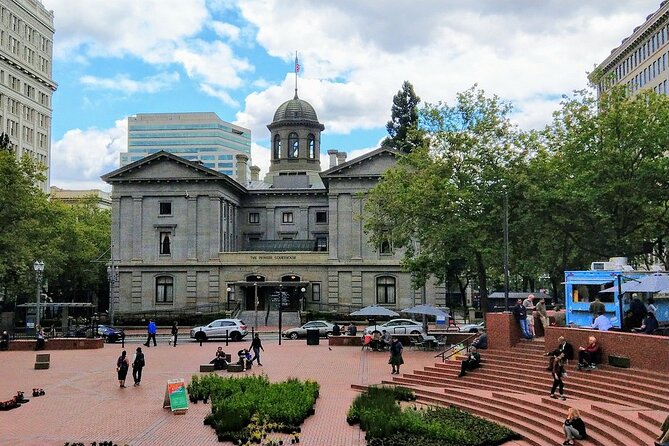
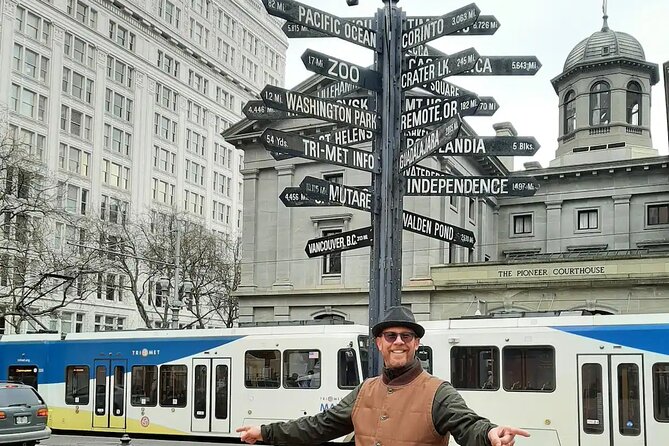
Your tour starts at Pioneer Courthouse Square (701 SW 6th Ave). This matters because it is literally the center of downtown Portland’s pedestrian life. Before you move far, you get a sense of the city’s layout and how people actually use space here.
Pioneer Courthouse Square is a huge civic block—about 40,000 square feet—turned into a public gathering area. Even if you only spend around 10 minutes here, it sets the tone for what the rest of the walk is trying to show: Portland is big on public places you can actually sit in.
The South Park Blocks: green blocks, art, and a Portland identity lesson
Next up is the South Park Blocks, a green corridor that runs twelve blocks long. You’ll get time (about 20 minutes) to look around the trees and public artworks without feeling rushed, and it’s easy to see why this area is part of Portland’s cultural identity.
What I find useful is that the blocks are not tucked away in the suburbs. They sit in the middle of downtown, next to major institutions and everyday foot traffic. That single fact helps explain why the city often feels like a mix of city planning and street-level creativity.
Within the park area, you’ll also pass an ornate fountain and sculpture. Think of it as a quick “Portland art check”: the city treats outdoor art and design as part of daily life, not a side quest.
Oregon Historical Society and Richard Haas mural: how the past shows up in the present
One of the most practical stops is the Oregon Historical Society area. The organization was created in 1898, and it receives about 44,000 visitors annually, which signals that Portland’s history is not just locked in a museum room.
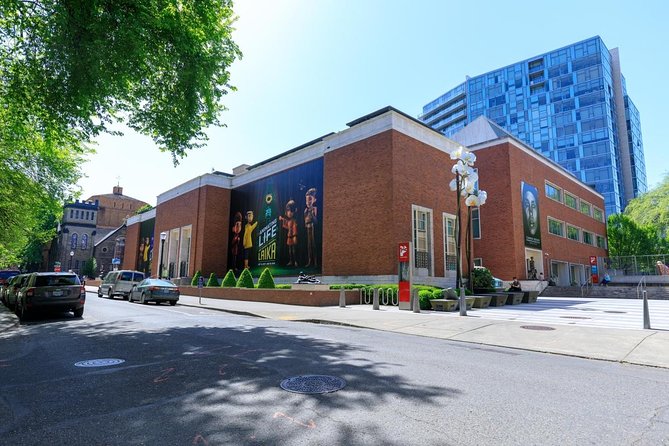
You’ll see a large mural on a nine-story building called Oregon History, painted by Richard Haas. It’s the kind of stop that works well on a walking tour because it gives you a visual framework. Instead of memorizing dates, you can connect the city’s story to the streets you are standing on.
A nice bonus here is that Portland’s own story is part of what guides are usually trying to make you feel. You’ll hear the city’s shift—from forest to stumptown and then to the “little” city identity that’s shaped Portland’s modern reputation.
The oldest art museum in the Pacific Northwest: Pietro Belluschi’s simple design
Another architecture-focused moment is the stop near the oldest art museum in the Pacific Northwest. The building was designed by Pietro Belluschi, and the idea is simple but effective: it leans on straightforward design and the honest use of materials.
Even if you are not an art-museum person, this stop can still be worth your time because the design choices help you understand how Portland thinks. It is less about flashy facades and more about function and clarity—then the art and details do the talking.
A few more Portland outings worth a look before you decide:
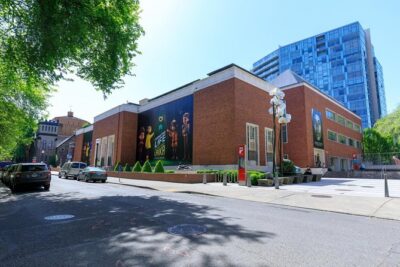


Portland’5 Centers for the Arts: art atmosphere plus a real restroom break
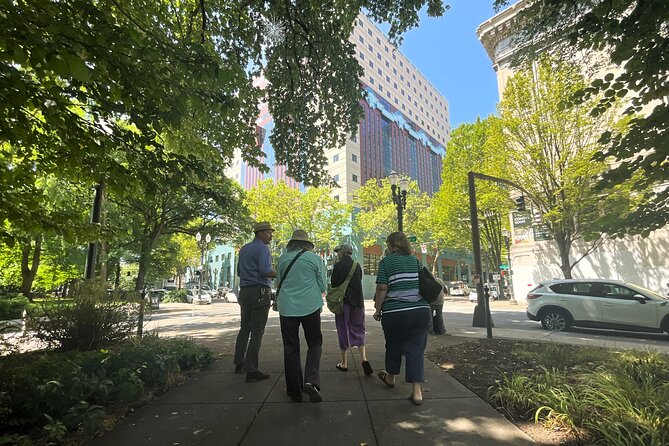
When open, Portland’5 Centers for the Arts becomes your restroom stop. That sounds basic, but it can make a big difference on a 2-hour walk.
The lobby and public areas are where you’ll notice the building’s personality, including the impressive spectral light dome ceiling. It’s the kind of indoor feature that gives your outdoor walk a breath of texture before you head back onto the sidewalks.
Whimsical sculptures and Michael Graves: why the Portland Building is a lightning rod
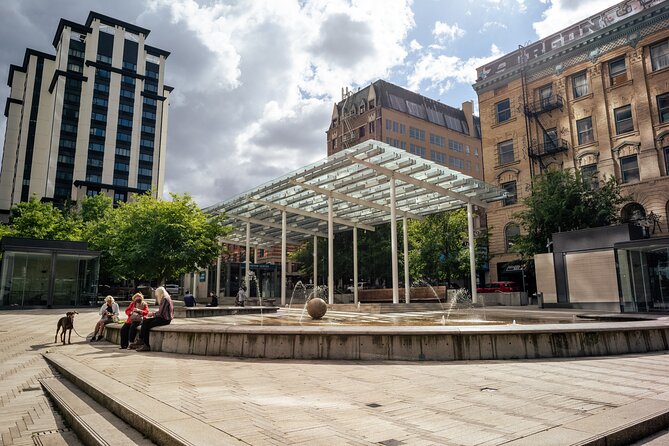
After that, you move through downtown art at street level—whimsical sculptures and public pieces that pop up where you might not expect them. I like these stops because they train your eye. You start spotting details without needing a museum ticket.
Then comes one of the most talked-about architecture landmarks on the route: the Portland Building, designed by Michael Graves. You’ll either love it or you’ll want to argue with it. Either way, it sparks a conversation, and that is what you want from a guided walk—something to react to.
This is also a place where guide style matters. Some guides focus more on the design choices and what they meant at the time, while others lean more into how the building fits Portland’s civic vibe. If your priority is architecture explanations, this is where you can ask for an extra 30-second story and see if your guide goes deeper.
Portlandia and the tiny park: photo stops with a Portland sense of humor
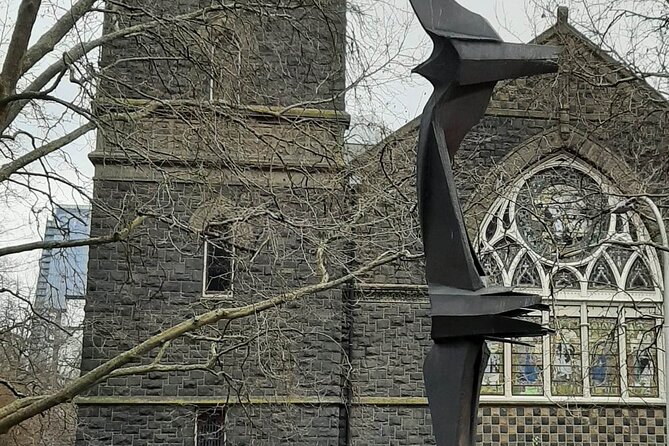
Then you’ll get the iconic Portland crowd-pleaser: Portlandia, the largest hammered copper statue in the United States, second only to Lady Liberty. It’s a quick stop, but it lands because it is so unmistakably Portland—big scale, handmade look, and civic pride all in one.
Right after that is a fun Portland-style “micro-moment”: the tiniest park in America. This place is often decorated by citizens with tiny animals, so you might see something different each time you visit. Even if you just spend a few minutes here, it gives you a feeling for Portland’s quirky relationship with public space.
Tom McCall Waterfront Park: the riverfront payoff you can feel
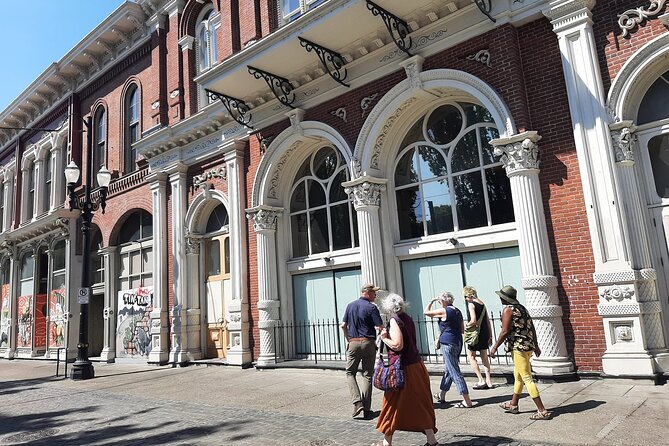
The tour finishes with a strong shift from blocks and buildings to water views at Tom McCall Waterfront Park, a 36.59-acre green space along the Willamette River. The name is tied to a major change: Governor Tom McCall is credited with removing a four-lane freeway so people could access the waterfront again.
That freeway removal detail is more than trivia. It’s a live example of how Portland tries to correct course. When you walk through a park like this, you are basically watching a civic decision made visible.
There is also an outdoor fountain that runs seasonally, so in the right time of year it adds movement and sound to the final stretch. Even if it is not running, the park layout usually helps you feel like you have time to linger, not just pass through.
Ending with a historic truss-bridge view at Salmon Street Springs
Your final destination is Salmon Street Springs (1000 SW Naito Pkwy). From there, you get a view of the oldest truss bridge in operation in America. The bridge is also described as one of Portland’s most heavily used, and it was added to the National Register of Historic Places in 2012.
This ending is smart for two reasons. First, it gives you a payoff that is easy to remember—bridge + river + the end of your walking loop. Second, if you want to keep exploring after the tour, you are already positioned near the waterfront where other routes fan out.
Price and value: what $39 buys you in downtown Portland
The price is $39 per person for about 2 hours. That is not just paying for walking; you’re paying for a guide to stitch together what you see across multiple landmark types—civic spaces, public art, architecture, and riverfront design.
Here’s where the value gets real: many stops are free to visit during the tour (the listed admissions are ticket-free). So you’re mostly paying for interpretation and pacing, not entry fees.
Also, the experience is private for your group—only your group participates. That tends to improve the odds that you’ll get answers to questions instead of being squeezed into a one-way script.
One more small practical point: it uses a mobile ticket, and it’s near public transportation. That helps if you are planning a day that mixes walking with tram, bus, or rideshare.
Getting the most from your guide (without needing a perfect itinerary)
Your guide is the whole point of a walking tour, and the vibe can vary. Some guides clearly lead with story and photos of the past, while others lean harder into art and architecture details.
Names that have come up include Damon, Johnny, Matt, and Eric. People describe them as enthusiastic and especially good at connecting Portland’s culture to what you are seeing in front of you. One nice bonus that shows how guides personalize the experience is the mention of sipping chocolate during a tour—so if that kind of little local treat sounds fun to you, it’s worth asking whether your guide includes a quick stop.
If you are the type who wants lots of building explanation, I would set that expectation early. One potential drawback is that some people feel the emphasis can tip toward parks and green space, with fewer building-by-building details than expected. You can prevent that by asking two questions at the start:
- What should I look for to understand Portland Building and the architecture vibe here?
- Can you give me the story that ties the parks to the city’s growth?
Who should book this Portland downtown walking tour
This tour is a good fit if you:
- Want a fast, easy introduction to downtown Portland without planning a self-guided route.
- Like public art, statues, and civic spaces as much as museums.
- Enjoy architecture debates, even if you are not an architect.
- Are comfortable walking about 1.5 miles in roughly 2 hours.
It also notes that most people can participate, and service animals are allowed. If you have a mobility concern, check with the operator before booking—while walking distance is short, it is still a downtown trek.
Should you book this tour?
Yes, book it if you want a guided “Portland in one afternoon” overview that mixes history, art, and city planning, then ends with a satisfying riverfront view. It’s also a smart choice for first-time visits because Pioneer Courthouse Square, the Park Blocks, and the waterfront are the kinds of places you’ll revisit later anyway.
Skip—or at least adjust expectations—if you need a strict, never-changing route with deep, step-by-step commentary on every building. This walk is shaped by your guide, and the balance can shift toward parks and public art.
If weather is good, bring comfortable shoes and a camera. Portland rewards curiosity, and this tour gives you permission to look closely.
FAQ
How long is the guided walking tour?
It runs for about 2 hours.
How far do we walk?
The walk is about 1.5 miles (2.4 km).
Where do we meet and where does the tour end?
Meet at Pioneer Courthouse Square, 701 SW 6th Ave, Portland, OR 97204. End at Salmon Street Springs, 1000 SW Naito Pkwy, Portland, OR 97204.
What is included in the price?
An experienced local guide is included. The tour also uses a mobile ticket, and the listed stops have free admission.
Is this a private tour?
Yes. Only your group participates.
Do I need good weather?
Yes. The experience requires good weather. If it’s canceled due to poor weather, you’ll be offered a different date or a full refund.
Can I bring a service animal?
Yes. Service animals are allowed.
More Walking Tours in Portland
- Portland’s Original Delicious Donut Adventure & Walking Food Tour
★ 5.0 · 533 reviews - A Walk Through Time Tour in Portland
★ 5.0 · 496 reviews - Intro to Portland Small Group Walking Tour
★ 5.0 · 300 reviews - Portland Walking Food Tour – Warm Donuts, History & Hidden Gems
★ 5.0 · 179 reviews - Portland Pizza Walking Tour: 4 Stops, Full Slice Each
★ 5.0 · 58 reviews
More Tour Reviews in Portland
- Multnomah Falls and Columbia River Gorge Half-Day Hiking Tour
★ 5.0 · 2,108 reviews - Columbia River Gorge Waterfalls Tour from Portland, OR
★ 5.0 · 1,278 reviews - Multnomah Falls and Columbia River Gorge Waterfalls Tour Morning
★ 5.0 · 913 reviews - Full-Day Guided Oregon Coast Tour from Portland
★ 5.0 · 816 reviews - Mt Hood Day Trip from Portland to Multnomah Falls and Hood River
★ 5.0 · 695 reviews
Keep Walking Portland
- A Walk Through Time Tour in Portland
★ 5.0 · 496 reviews - Intro to Portland Small Group Walking Tour
★ 5.0 · 300 reviews - All-Inclusive Downtown Portland Food Tour
★ 5.0 · 181 reviews - Downtown Portland Air Tour by Envi Adventures
★ 5.0 · 93 reviews - Alphabet District Food Tour
★ 5.0 · 72 reviews
Just In: The Newest Portland Tour Reviews





Portland Neighborhood & Downtown Walks, compared.
 ★ 5.0A Walk Through Time Tour in PortlandFrom $48496 reviews
 ★ 5.0Intro to Portland Small Group Walking TourFrom $29300 reviews
 ★ 4.5Ghosts, Poltergeists, and Psychopaths Walking TourFrom $24197 reviews
 ★ 5.0All-Inclusive Downtown Portland Food TourFrom $128181 reviews
 ★ 5.0Downtown Portland Air Tour by Envi AdventuresFrom $11993 reviews
 ★ 4.8Portland, Oregon: Soul of the City Walking TourFrom $2990 reviews
 ★ 5.0Alphabet District Food Tour72 reviews
 ★ 5.0The Vibrant Kerns Hood – East Burnside and moreFrom $11068 reviews
Browse the lists this tour appears in