
Reviewed · PORTLAND NEIGHBORHOOD & DOWNTOWN WALKS
Portland, Oregon: Soul of the City Walking Tour
Portland’s streets feel like a living timeline. This Soul of the City walking tour connects building facades and street grids to the bigger forces that shaped Oregon’s identity, from early urban planning to modern protest culture. I love the way it uses parks and plazas as real-world clues, not just scenery, and I also love how the route points out art and architecture you’d miss on your own. The one thing to consider is that it’s still a downtown walk with about 2 miles, plus some hills and stairs.
I especially like the human energy the guides bring. On different departures you might get a Portland storyteller like Nancy or Shannon (both mentioned for strong architecture and city-context talk), or you may end up with a guide like Kelly or Rachel who frames the city as a convert or adapts the pace to your interests. One caution: the political and social themes can come with a clear point of view, so if you want a perfectly balanced take on every controversial topic, you may need to ask questions as you go.
Key things this tour does well
- Director Park start: easy to find, with a clear landmark by the globe fountain
- South Park Blocks focus: Portland’s park-first layout explained on foot
- Downtown architecture storylines: cast iron storefronts to the infamous Portland Building
- Activism and social change context: modern radical movements tied to earlier decades
- Portlandia + hippie legacy: how the city’s vibe got built
- Pioneer Courthouse Square finish: a strong ending at the heart of downtown
In This Review
- Starting at Director Park, where the city sets the tone
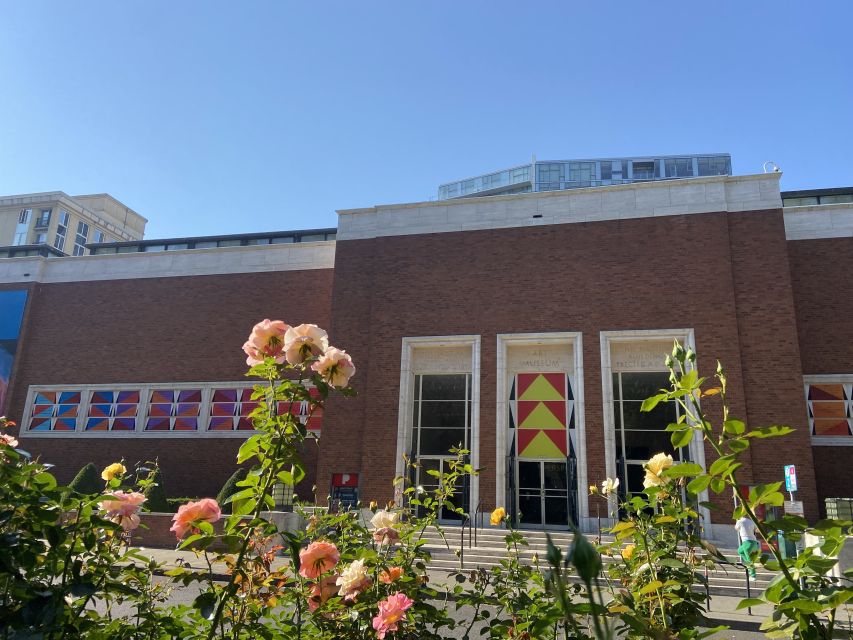
- South Park Blocks and plazas that link museums, concerts, and civic life
- Architecture cues: cast iron fronts, the Portland Building, and why form matters
- Portland’s nicknames, layout logic, and how planners shaped public life
- Activists, racial justice, and why protest is part of the city’s street story
- Portlandia and the hippie influence you can actually see
- Pioneer Courthouse Square: ending where Portland’s public life converges
- Making the most of a 2-mile downtown walk (hills, weather, and timing)
- Price and value: what $29 buys you in orientation and insight
- Should you book the Soul of the City walking tour?
- FAQ
- How long is the Portland Soul of the City walking tour?
- Where do I meet the guide?
- Is the tour wheelchair accessible?
- How much walking is involved?
- Does the tour run rain or shine?
- What should I wear or bring?
- Are dogs allowed?
Starting at Director Park, where the city sets the tone
You’ll meet at the northeast corner of Director Park at SW Yamhill and SW Park Ave, across from Elephants Deli on the Park, near the globe-shaped fountain. It’s a smart start location because it puts you right in the downtown flow without forcing you into complicated transit routes.
From there, the tour immediately trains your eyes. Instead of saying Portland is “pretty” (it is), it shows you how the city’s shape affects daily life: where pedestrians are guided, where open space interrupts traffic, and how public buildings relate to the streets around them. That’s where this tour earns its name. Soul is not just attitude; it’s the physical plan—streets, blocks, and civic spaces—doing its job.
If you’re the type who likes to get oriented fast, this start helps. Even if you’ve only been in Portland a day, you’ll leave with a mental map of how the downtown core is organized and why certain areas feel more public and walkable than others.
Wander further into the Portland Oregon neighborhoods
- Portland, Oregon: Soul of the City Walking Tour★ 4.8 · 90 reviews
- Portland: Food Walking Tour★ 4.8 · 29 reviews
- Portland: Guided Ice Cream Walking Tour with Tastings★ 4.9 · 7 reviews
- A Guided Walking Tour of Vibrant Downtown Portland★ 5.0 · 4 reviews
South Park Blocks and plazas that link museums, concerts, and civic life
A big chunk of the tour runs through the South Park Blocks, a signature Portland feature that shows up in photos, sure—but also changes how you move through downtown. This is one of the most pedestrian-friendly, park-focused city centers in the U.S., and the tour uses that advantage to teach you about urban design.
As you walk, you’ll connect the plazas to surrounding institutions—museums and concert spaces—so the greenery doesn’t feel like an isolated park token. Instead, you start seeing how the open spaces function like outdoor lobbies: places for meetings, waiting, public events, and quiet pauses between destinations. The route specifically includes plazas connected to the Portland Art Museum and the Oregon Historical Society, which helps you understand why Portland invests in civic culture in the same area.
One underrated benefit: you get to experience the city at walking speed. Portland’s sidewalks can feel like an ongoing conversation—between old buildings and newer public art, between people moving with purpose and people lingering. You’ll pick up that rhythm fast here.
Architecture cues: cast iron fronts, the Portland Building, and why form matters
Downtown Portland is a masterclass in “buildings as messaging.” The tour uses architecture to show you how the city tried on different ideas across decades, from industrial-era storefront styles to big civic statements.
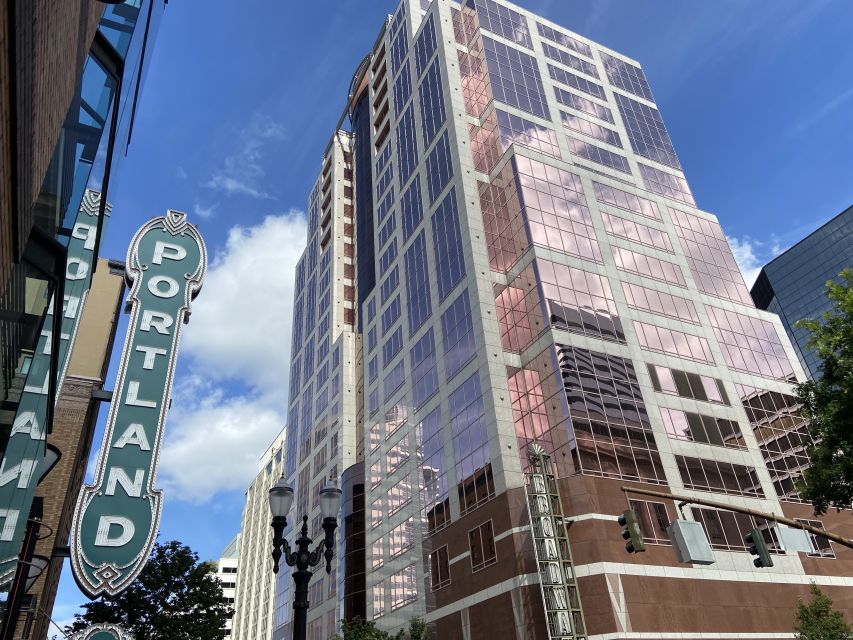
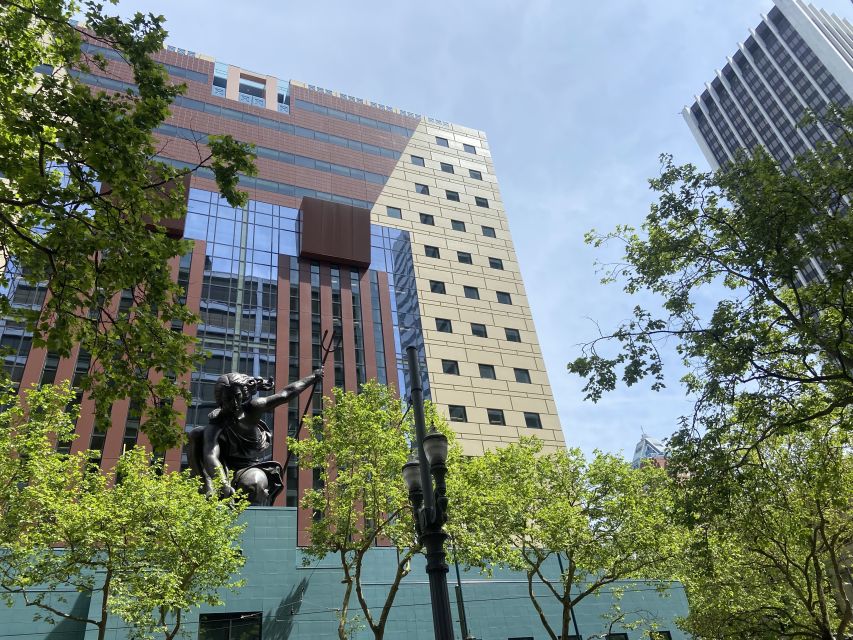
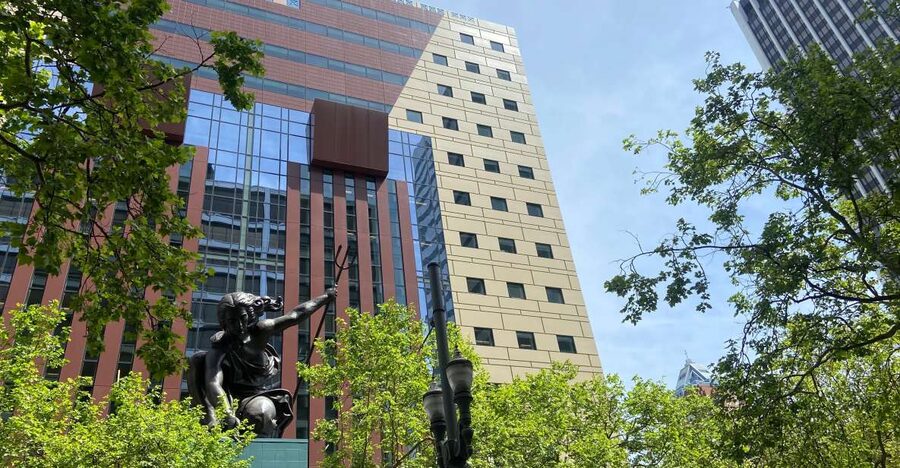
You’ll hear about cast iron-fronted structures, which is a key detail because it tells you Portland wasn’t always building with glossy modern materials. Those older facades carry a sense of permanence—trade, commerce, and the downtown’s early growth. You’ll also talk about the Portland Building, described as grandly disastrous post-modern work. Even if you’re not an architecture nerd, this kind of critique is useful: it gives you a lens for noticing what a building wants from the public—confidence, experiment, spectacle, or just pure ego.
This is also where the guide’s personality matters. Nancy and Shannon, for example, are mentioned for weaving architecture together with how city administration and local demographics shaped what got built. That approach helps you connect the visual details to real outcomes: who benefited, who got displaced, and how civic priorities evolved.
Portland’s nicknames, layout logic, and how planners shaped public life
Portland has nicknames, and the tour treats them like clues rather than trivia. You’ll learn where the city’s layout comes from—how early planners made decisions about blocks, streets, and public space. That matters because Portland’s livability isn’t random. The walkability you feel today is the result of long-term choices that still guide where people gather.
As you move, pay attention to how the street grid and open blocks work together. This tour doesn’t just point at parks; it explains why parks were prioritized in the center. You’ll also hear about how modern designers think about the past when planning for the future, which helps you avoid viewing Portland as a city frozen in time. Instead, it’s a city constantly negotiating between preserving what works and reshaping what doesn’t.
Guides often add extra practicality here—like pointing you to places to eat after the tour. One guide name-checked restaurant ideas on 12th Avenue, which is the kind of tip you can use immediately once you’re done walking and want a quick win for dinner.
Activists, racial justice, and why protest is part of the city’s street story
Portland’s reputation for activism can feel like a stereotype—until you see how it connects to the city’s longer timeline. This tour links radical activism to Portland’s history going back more than a century, so modern headlines make more sense in context.
You’ll walk through areas where activists made international headlines and learn how the city’s commitment to racial justice and social progressivism didn’t appear out of nowhere. The goal isn’t just to explain what happened. It’s to help you understand why certain people keep pushing for change in this particular place, and why the city responds with such intense public debate.
A heads-up: the way guides talk about these topics can come with a clear point of view. One departure described criticism of loggers and first developers, and another noted a preference for both sides on certain controversies. So if you’re someone who wants nuance, bring your questions. The best way to get it is to ask directly—how does the guide reconcile the benefits of early development with the harm?
If you like cities that treat civic conflict as part of their identity, this section will land. If you’re expecting only neutral facts, you may find the tone more opinionated than you want.
A few more Portland Oregon outings worth a look before you decide:


Portlandia and the hippie influence you can actually see
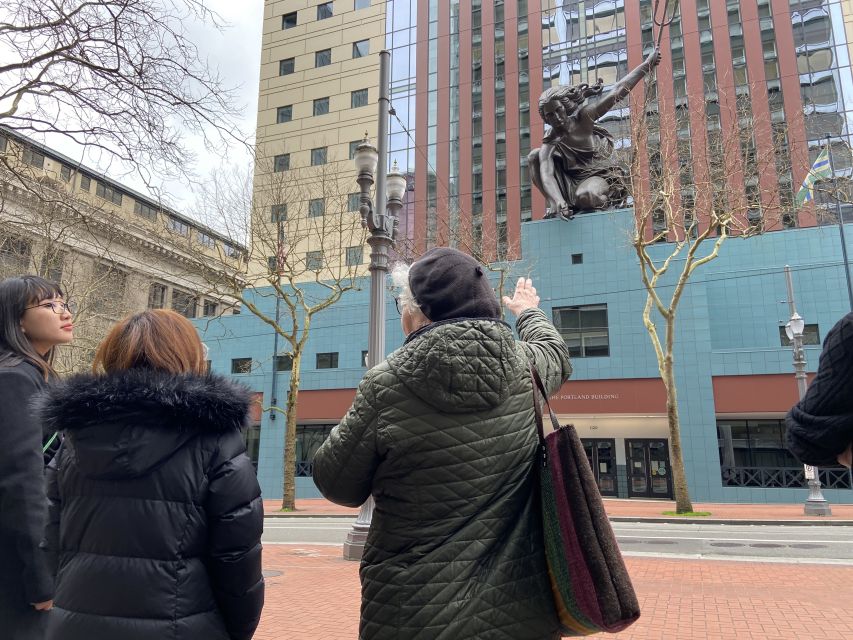
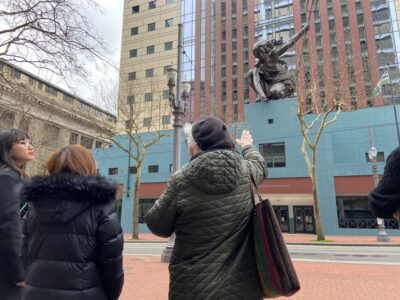
Then comes a Portland moment you can’t miss: Portlandia, the image personifying the city. The tour uses that iconic figure as a bridge into the hippie legacy—how much of the city as you see it today owes something to the ways counterculture shaped public space, creativity, and attitudes toward art.
This is more than a fun cultural detour. Hippies in Portland aren’t just a band name or a museum exhibit. They represent a long-running habit: people here tend to push for personal expression in public life, whether that’s through art, music, craft, or community activism. The tour ties that vibe to the city’s richness, explaining how alternative scenes became part of what “downtown Portland” means.
If you’re worried the tour might be too theoretical, this section helps keep it grounded. You’re looking at real symbols and concrete places while you learn why they mattered.
Pioneer Courthouse Square: ending where Portland’s public life converges
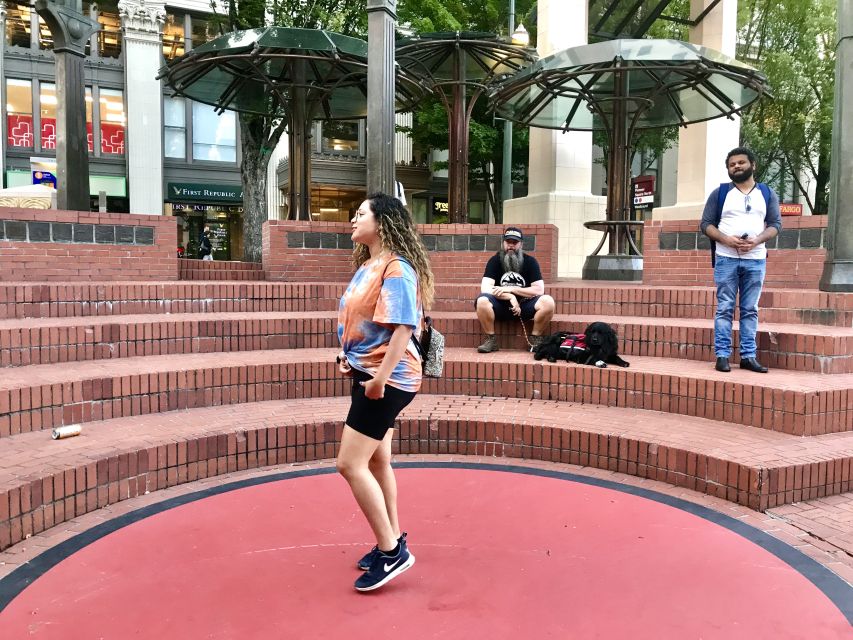
You’ll finish at Pioneer Courthouse Square, one of the city’s strongest central gathering points. Ending here is smart because it’s built for the public—events, meetings, performances, and everyday loitering.
The tour also highlights Portland’s most extravagant sculptural work, which you’ll discover hidden in plain sight as you walk. That line matters: it’s a reminder to watch carefully. Portland uses art as wayfinding, mood-setting, and identity-marking. You’ll leave with a list of things to look at next time you’re in the downtown core.
If you want to keep the momentum after the tour, Pioneer Courthouse Square gives you options. It’s an easy springboard back into shopping streets, museum areas, or dinner plans. In other words, the ending doesn’t feel like you’re dropped off in a random corner—it’s a downtown crossroads.
Making the most of a 2-mile downtown walk (hills, weather, and timing)
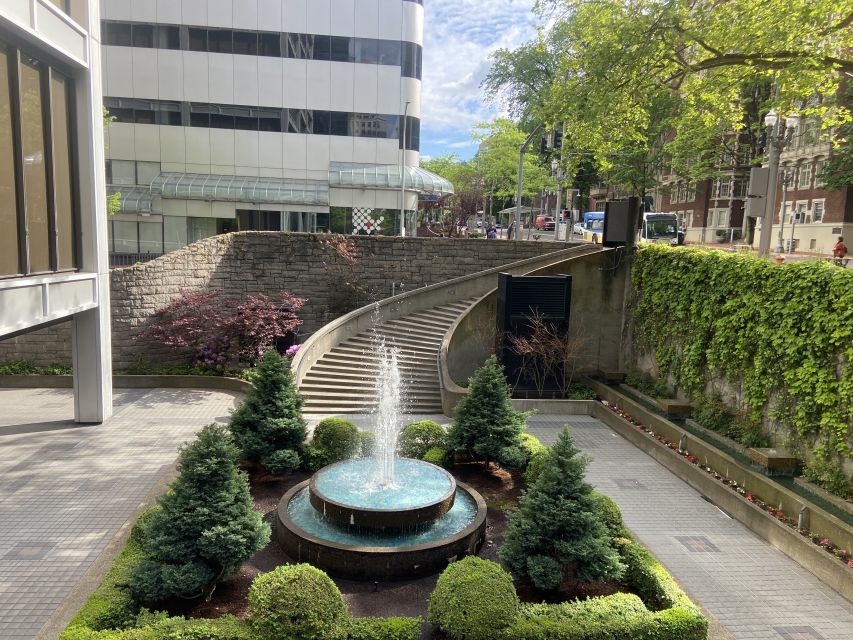
This tour is about 2 hours and includes around 2 miles (3.5 km) of walking. That’s not far, but it’s long enough that your choice of shoes matters. The tour operates rain or shine, so bring weather-appropriate clothing. Portland in the damp can be beautiful; it can also be slippery.
There are a few hills and some stairs, and the tour notes that some of those can be avoided. If you need to minimize stairs, tell your guide at the start. That small step often makes the whole experience feel easier.
On days when attractions are open, you can briefly enter 1 or 2 buildings. Don’t count on a long museum stop, but do treat those quick entries as bonus context—extra texture for the architecture and civic story you’re hearing.
Finally, if you’re traveling with a dog, be aware that some attractions on the route do not allow dogs. Your guide can help you navigate around those spots on the day.
Price and value: what $29 buys you in orientation and insight
At $29 per person for a 2-hour guided walk, the value comes down to what you get per minute: direction, interpretation, and shortcuts to understanding. Downtown Portland can be confusing at first, especially if you expect the city to look like one single unified style. This tour prevents that confusion by giving you a storyline—how Portland’s planning, architecture, culture, and activism connect.
You’re paying for:
- A route that moves you through the most meaningful pedestrian spaces
- A guide who can explain why the city looks the way it does
- Architecture + politics context tied to specific places
- The kind of visual training that helps you enjoy Portland afterward without needing another lecture
The guide quality seems to be a major driver of the high rating. Names like Nancy, Shannon, Kelly, and Rachel show up in feedback for strong explanations, engaging storytelling, and practical tips. You won’t just learn facts—you’ll gain a lens for noticing details on your own.
Should you book the Soul of the City walking tour?
Book it if you want a fast, high-impact way to understand Portland’s downtown. This is a great choice for first-timers who want more than photos and more than casual sightseeing. It’s also ideal if you like walking through real civic spaces—parks, plazas, and public art—while getting the backstory for how they formed.
Skip it if you prefer strictly neutral commentary, or if you strongly dislike walking in mixed weather. Also note the route includes about 2 miles and can involve hills and stairs, even with some options to avoid them.
If your goal is to leave Portland with a clearer sense of how the city works—physically and socially—this tour is a solid bet. You’ll feel oriented fast, and you’ll notice Portland differently afterward.
FAQ
How long is the Portland Soul of the City walking tour?
It lasts about 2 hours.
Where do I meet the guide?
Meet at the northeast corner of Director Park at SW Yamhill and SW Park Ave, across the street from Elephants Deli on the Park by the globe-shaped fountain.
Is the tour wheelchair accessible?
Yes, the tour is listed as wheelchair accessible.
How much walking is involved?
The tour includes about 2 miles (3.5 km) of walking, with a few hills and some stairs that can be avoided.
Does the tour run rain or shine?
Yes. It operates rain or shine.
What should I wear or bring?
Wear comfortable shoes and dress for the weather.
Are dogs allowed?
Some attractions on the tour do not allow dogs.
More Walking Tours in Portland Oregon
- Portland: Ghosts, Poltergeists, and Psychopaths Walking Tour
★ 4.5 · 197 reviews - Portland: Food Walking Tour
★ 4.8 · 29 reviews - Portland: Ultimate Dead of Night Walking Ghost Tour
★ 4.6 · 11 reviews - Portland: Guided Ice Cream Walking Tour with Tastings
★ 4.9 · 7 reviews - A Guided Walking Tour of Vibrant Downtown Portland
★ 5.0 · 4 reviews
More Tour Reviews in Portland Oregon
- From Portland: Columbia Gorge Waterfalls Tour
★ 4.9 · 260 reviews - Portland: Ghosts, Poltergeists, and Psychopaths Walking Tour
★ 4.5 · 197 reviews - Portland: 2-Hour Lunch Cruise Through Downtown
★ 4.7 · 170 reviews - Portland: Columbia River Gorge Waterfalls Morning Tour
★ 4.9 · 147 reviews - Portland: Dinner Cruise on the Willamette River
★ 4.6 · 133 reviews
Keep Walking Portland Oregon
- Portland: Ghosts, Poltergeists, and Psychopaths Walking Tour
★ 4.5 · 197 reviews - Portland: Food Walking Tour
★ 4.8 · 29 reviews - Portland: Guided Ice Cream Walking Tour with Tastings
★ 4.9 · 7 reviews - A Guided Walking Tour of Vibrant Downtown Portland
★ 5.0 · 4 reviews
Just In: The Newest Portland Oregon Tour Reviews





Portland Neighborhood & Downtown Walks, compared.
 ★ 5.0A Walk Through Time Tour in PortlandFrom $48496 reviews
 ★ 5.0Intro to Portland Small Group Walking TourFrom $29300 reviews
 ★ 4.5Ghosts, Poltergeists, and Psychopaths Walking TourFrom $24197 reviews
 ★ 5.0All-Inclusive Downtown Portland Food TourFrom $128181 reviews
 ★ 5.0Downtown Portland Air Tour by Envi AdventuresFrom $11993 reviews
 ★ 5.0Alphabet District Food Tour72 reviews
 ★ 5.0The Vibrant Kerns Hood – East Burnside and moreFrom $11068 reviews
 ★ 5.0Portland Pizza Walking Tour: 4 Stops, Full Slice EachFrom $7558 reviews
Browse the lists this tour appears in