
Reviewed · WILLAMETTE VALLEY WINE & PINOT TOURS
Willamette Valley Wine Tour from Portland
Portland to Willamette Valley is an easy win. This 6-hour small-group tasting trip takes care of the driving with a downtown hotel pickup in a Mercedes-Benz Sprinter van, then slows down for three winery stops chosen for their cool-climate styles. I like that the guide adds real regional context as you pass towns like Newberg and Gaston.
What I love most is the setup: pickup and drop-off from select downtown hotels plus a max group size of 8. You also get bottled water in the van, which sounds basic until you’ve been tasting for hours. Guides I’ve encountered on similar dates—like Gunner and Heather—tend to be the friendly, detail-focused type who keep things moving without rushing you.
One consideration: wine tastings and light snack options cost extra. Tasting fees typically run about $25–$35 per tasting, and you’ll want lunch before you go since the tour doesn’t build in a meal stop.
In This Review
- Key things to know before you go
- Portland hotel pickup, then straight into wine-country mood
- Why Willamette Valley tastes different (and why that matters for your glass)
- The driving route: towns, scenery, and the art of not rushing
- Winery stop one: what a typical Willamette Valley tasting feels like
- Winery stop two: geology stories, sustainable practices, and better pinot instincts
- Winery stop three: views, small-lot craft, and a finish you remember
- The real cost math: ticket price covers transport, not the wine
- What to eat, what to bring, and how to make the day feel easy
- Group dynamics: why the small size actually changes the experience
- Wineries vary by day: how to stay flexible and still feel satisfied
- Who should book this Willamette Valley Wine Tour
- Should you book it?
- FAQ
- How long is the Willamette Valley wine tour from Portland?
- Does the tour include transportation from Portland hotels?
- Are wine tastings included in the ticket price?
- What should I eat before the tour?
- Can I drink alcohol on the tour?
- What if I need to cancel?
Key things to know before you go
- Mercedes Sprinter + downtown hotel pickup means you skip the stress of rideshares and designating a driver.
- Max 8 travelers keeps the day relaxed, with time for questions and photos without the chaotic herd energy.
- Three wineries, availability-based: your exact stops can vary by day, but you’re always working toward a balanced sampler.
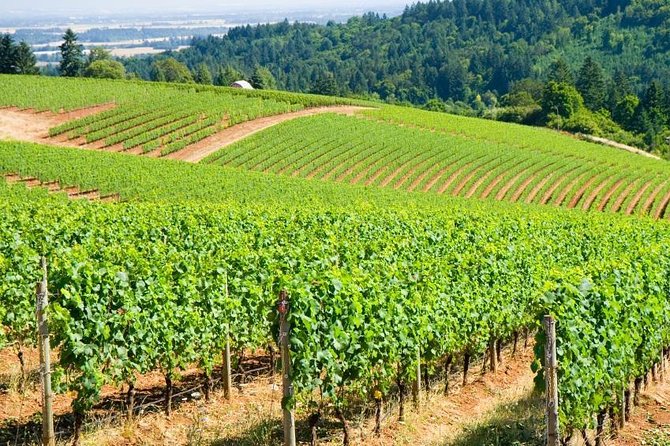
- Cool-climate Oregon focus: expect varietals that thrive in the valley’s volcanic soils and microclimates, especially pinot noir and chardonnay.
- Tasting fees at your cost: budget extra beyond the ticket, even though water and transport are included.
Pour another: more Willamette Valley wine days
- Willamette Valley Wine Tour with Lunch★ 5.0 · 503 reviews
- Willamette Valley Wine Tour from Portland★ 5.0 · 201 reviews
- Columbia Gorge Waterfalls & Wineries from Portland: All-Inclusive Afternoon Tour★ 5.0 · 174 reviews
- Willamette Valley Wine Tasting Tour from Portland★ 5.0 · 89 reviews
Portland hotel pickup, then straight into wine-country mood
The day starts with an afternoon pickup from select downtown Portland hotels. The tour begins at 12:00 pm, and your specific pickup window is sent to you ahead of time (it can start up to 45 minutes before the tour). When it’s time, you just step to the hotel lobby doors and look for the Sprinter van.
Then comes the best part of a wine day like this: no one has to drive. You can focus on the scenery and the guide’s small-talk that turns into actual local knowledge—how this region shifted from orchards and nurseries to Oregon’s serious wine reputation. The ride itself is comfortable, and there’s bottled water waiting for you.
If you’re coming from a hotel outside the downtown pickup zone, double-check your address. One past booking had to make their own ride because their hotel wasn’t in the pickup footprint, which turned a smooth day into a logistics headache.
Why Willamette Valley tastes different (and why that matters for your glass)
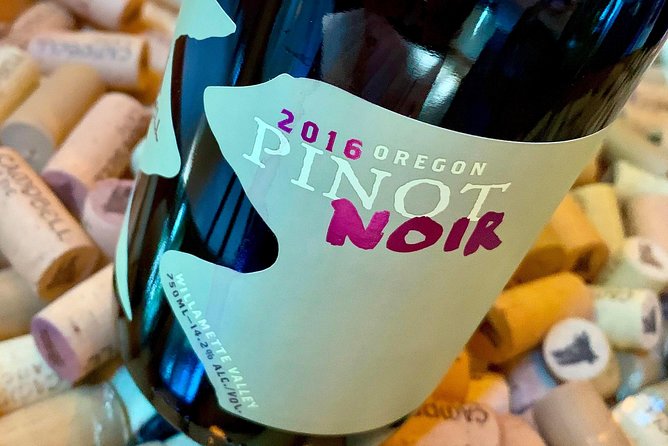
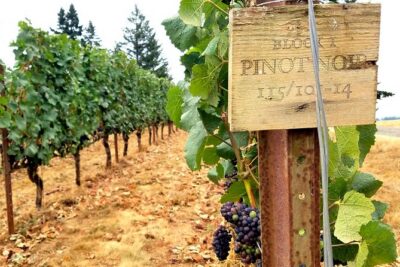
This tour is built around the Willamette Valley’s cool-climate strengths. The guide’s explanations usually connect the dots fast: volcanic soils, elevation, and protective microclimates all feed into how grapes ripen. That’s the scientific way of saying you’ll likely get those crisp, structured flavors Oregon does so well—especially for pinot noir.
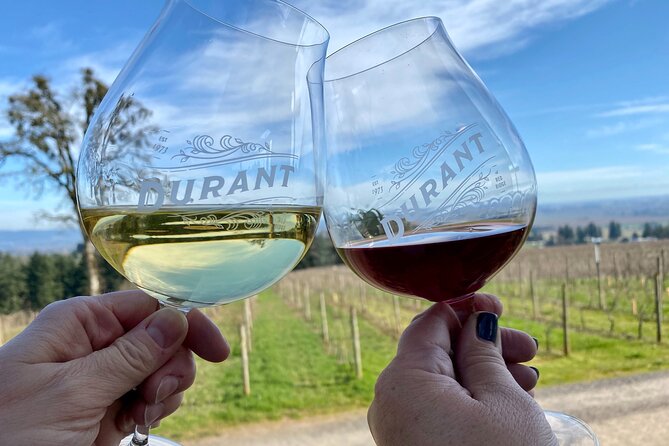
At the wineries, you’ll typically taste a mix that can include reds like syrah, tempranillo, cabernet sauvignon, plus the region’s famous pinot noir. You may also get chardonnay, pinot gris, riesling, and rosé. That variety matters because it gives you a broader sense of the valley’s range—not just one grape all day.
Also, the day’s pacing helps here. You’re not trying to cram in a dozen tastings. Three stops is enough to notice patterns—like how one producer’s pinot feels lighter or more textured than another.
The driving route: towns, scenery, and the art of not rushing
On the way out, you pass through charming towns including Newberg, Forest Grove, Sherwood, and Gaston. Even if you’re not a big “route person,” this matters. Small towns along the corridor make the region feel lived-in, not just like a sequence of tasting rooms on a map.
The best value of the van format is simple: you don’t lose time. You’re not negotiating parking, not paying for fuel, and not doing the math of whether a last tasting will still be worth it. Plus, the guide keeps the day on track so you don’t sit around waiting for one slow group member.
One more practical note: come with a calm energy. The day moves, but it’s not a sprint. When the van stops, you generally get enough time to taste, ask questions, and take photos without feeling like you’re being pushed out the door.
Winery stop one: what a typical Willamette Valley tasting feels like
Your first stop is usually about setting the tone. You’ll likely start at an acclaimed winery selected for the day’s availability, often with a focus on premium Oregon varietals. Your exact schedule can change, but common featured possibilities include:
- Erath Winery for a shot of award-winning pinot noir flavor
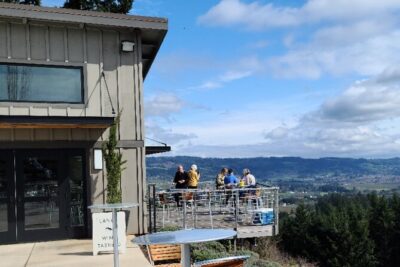
- Stoller Family Estate, where you may get big views and a signature tasting room design with sustainable architecture
At this first winery, I’d treat the tasting like a warm-up and a reality check. Ask yourself: what do you like right away—bright fruit, earthy structure, smooth texture, higher acidity? Then keep that in mind for the next two stops. The guide’s explanations help you map what you’re tasting to why it tastes that way.
Time here matters too. If a winery pours wines in a more hands-on style—measured beakers instead of the classic “please sip from the glass” cadence—you might find it charming or you might find it less personal. Either way, you’ll still get the variety and the chance to compare styles.
Winery stop two: geology stories, sustainable practices, and better pinot instincts
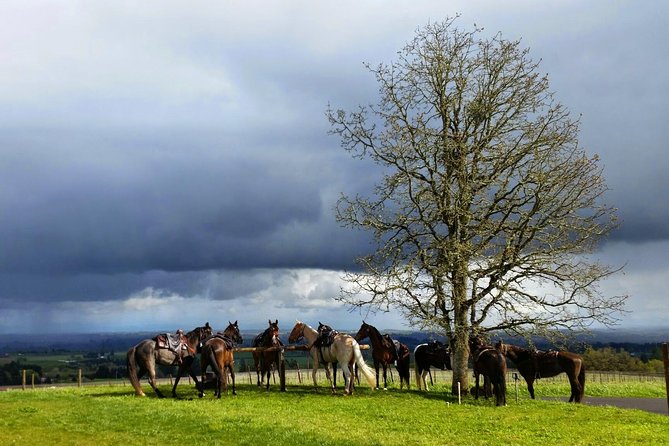
The middle stop is often where the day’s “why Oregon wins” story gets more specific. Depending on availability, you could land at producers like:
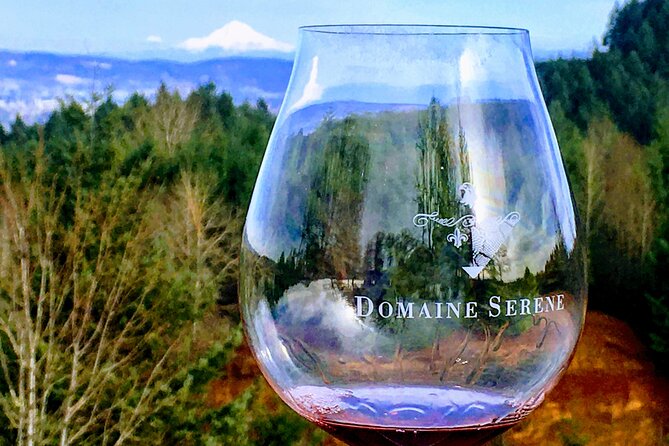
- Domaine Serene, known for world-class pinot noir and chardonnay with a mission of continuous improvement
- Tualatin Estate Vineyard, a historic 171-acre site associated with long-running Oregon winemaking tradition
- Apolloni Vineyards, notable for LIVE-certified, Salmon-Safe estate vineyards and a classic Oregon/Italian-style bent
This is usually where you get to connect the tasting to real production choices. Even if you’re not a winemaking nerd, you’ll benefit from the framing: how vineyard decisions and sustainable viticulture show up in the finished wine. The guide may also link the valley’s microclimates to the cool-climate grapes you’re tasting.
A good practical approach here: pace your drinking. If you’re tasting multiple varietals, your palate can drift fast. Sip, pause, then re-taste if you need to. Also, if you’re sensitive to alcohol, don’t wait until you feel the effect—tell yourself to slow down before the heavier reds.
Winery stop three: views, small-lot craft, and a finish you remember
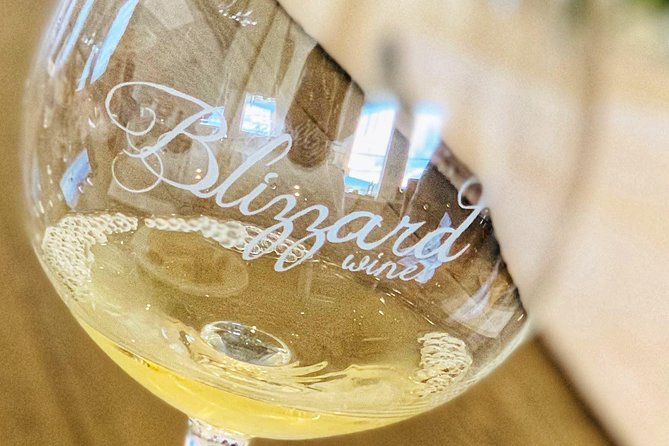
The last winery stop tends to round out the day, often with scenic environments and producers that feel a bit more personal. Potential stops in the Willamette Valley include:
- Tresori, tied to the Chehalem Mountains AVA and focused on delicate, small-lot handcraft
- Other availability-based options that can include boutique estates with a mix of pinot-focused and classic Oregon styles
If one of your stops is a place with standout architecture or vineyard views, plan on using your time for both tasting and atmosphere. There’s a reason many producers invest in the tasting experience: it helps you see the landscape that made the wine possible.
If you’re lucky, you might hit a winery that also offers extra layers beyond wine. One example from past tour days: a stop that combined wine with an olive farm experience, where you could do an olive oil and balsamic-style tasting. That kind of add-on isn’t guaranteed, but it’s the sort of thing your guide may include when it fits the schedule.
The real cost math: ticket price covers transport, not the wine
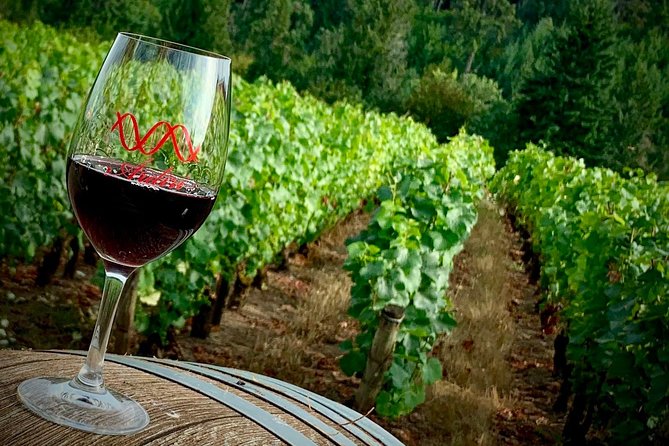
Let’s talk money like adults. The tour costs $145 per person, and it includes transport by Mercedes Sprinter van, bottled water, and the guide-led day. Admission is listed as free, but that doesn’t mean tastings are free at the wineries.
Tasting fees generally aren’t included and average $25–$35 per tasting, paid directly to each winery. If you do three winery stops, that commonly puts your tasting spend around $75–$105 total, depending on the day and the wineries selected. Some wineries may waive fees when you buy wine, so if you’re planning to purchase, it can be worth asking how their tasting-credit policy works.
Snacks are also not included in the ticket. Light snacks may be available to purchase at select wineries, but you should plan on eating lunch before the tour starts. One helpful detail: you’ll avoid the stress of hunting for food while you’re already tasting.
What to eat, what to bring, and how to make the day feel easy
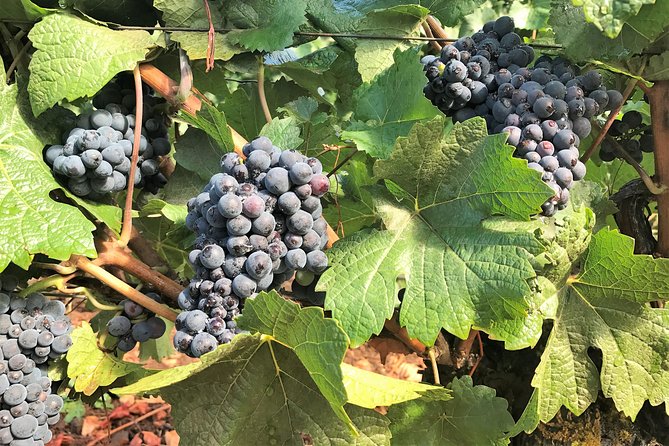
If you only remember one tip: eat lunch before pickup. The tour specifically recommends it, and outside food isn’t the kind of thing you should plan on relying on during the winery stops. (Even if a winery sells snacks, you might not love the options—or the timing.)
A simple packing list:
- A light lunch already done
- A valid ID (you must be 21+ to consume alcohol)
- A layer for the van ride and tasting rooms
- Your preferred payment method for tasting fees and any purchases
You’ll be in the car for a while, and wine can sneak up on you faster than you think. Bottle water helps, but you’ll still want to sip slowly at tastings and give your body time to keep up.
Also, if you’re booking as a group and want everyone to enjoy themselves, the max of 8 travelers is a big part of the value. You get conversation without the feeling that you’re part of a moving assembly line.
Group dynamics: why the small size actually changes the experience
This tour caps at 8 travelers, and that’s not just a marketing line. A smaller group means:
- You get more back-and-forth with your guide
- The guide can adjust timing when a winery runs a little behind
- You’re less likely to feel rushed at each stop
In the past, guides like Gunner and Heather have been specifically praised for being friendly, punctual, patient, and very informative. That kind of guiding style matters on a wine tour. You want the schedule to work, but you also want someone who can answer your questions without lecturing.
If you’re a solo traveler, this size can be a sweet spot. You meet people, but you still keep your space. If you’re with friends, it feels like a shared day rather than a rigid group checklist.
Wineries vary by day: how to stay flexible and still feel satisfied
Your three winery stops may vary based on weekday and availability. You might visit places known for pinot noir and chardonnay, or a lineup that adds other varietals like riesling or pinot gris. Because the selection shifts, the best way to enjoy the tour is to think in terms of a theme: you’re sampling Oregon’s cool-climate character.
You’ll see lots of attention to pinot noir and chardonnay, but the tasting list can broaden. One day it might lean to classic Oregon reds and whites. Another day, the tasting lineup might throw in styles like rosé or riesling depending on the winery.
If you have strong preferences, you can still be strategic even without knowing the exact wineries in advance. Before the tour, decide what you want most:
- Pure pinot noir focus
- A balanced white rotation (chardonnay/pinot gris/riesling)
- A mix that includes something like syrah or tempranillo
Then, once you’re at the wineries, ask questions. Guides can usually explain why that winery’s selection fits the valley’s profile.
Who should book this Willamette Valley Wine Tour
This is a great match if you want:
- Hotel pickup and drop-off without driving yourself
- A relaxed pace with only three winery stops
- A small group setting that doesn’t feel rushed
- A guide who can connect what you taste to the region’s climate and soils
It’s also ideal for a first Willamette Valley trip. You’ll get a solid “starter set” of styles and producers. And if you’ve been to Oregon wine country before, you can still enjoy the day because your schedule is organized and your drinking stays moderated by a professional driver setup.
If you’re the type who needs to build your own exact lineup—specific wineries, specific tasting flights—this may feel a little less custom. But the availability-based selection is also what keeps the day smooth.
Should you book it?
I’d book this tour if you want an easy, guided, small-group day from Portland with transport solved for you. The value is strong because the $145 ticket buys a full service day: Mercedes Sprinter pickup/drop-off, a local guide, and water, so you’re not piecing together transport while trying to enjoy tastings.
Just go in with the right budget mindset. Plan on paying tasting fees at each winery (about $25–$35 per tasting), and eat lunch first so you don’t feel squeezed. If you like pinot noir, chardonnay, and cool-climate Oregon wines—and you enjoy learning while you sip—this is a very satisfying way to spend an afternoon in the valley.
FAQ
How long is the Willamette Valley wine tour from Portland?
It runs for about 6 hours.
Does the tour include transportation from Portland hotels?
Yes. You get pickup and drop-off at select downtown Portland hotel locations, and you’ll travel by Mercedes-Benz Sprinter van.
Are wine tastings included in the ticket price?
No. Tasting fees are paid directly to the wineries, and the average cost is listed at about $25–$35 per tasting.
What should I eat before the tour?
You should eat lunch before the tour starts. Snacks may be available to purchase at some wineries, but lunch is not included.
Can I drink alcohol on the tour?
You must be 21 years of age to consume alcohol. The tour operator reserves the right to refuse service to anyone who appears intoxicated.
What if I need to cancel?
You can cancel for a full refund up to 24 hours before the experience starts. The tour may also be rescheduled or refunded if poor weather prevents it from running.
More Tour Reviews in Portland
- Multnomah Falls and Columbia River Gorge Half-Day Hiking Tour
★ 5.0 · 2,108 reviews - Columbia River Gorge Waterfalls Tour from Portland, OR
★ 5.0 · 1,278 reviews - Multnomah Falls and Columbia River Gorge Waterfalls Tour Morning
★ 5.0 · 913 reviews - Full-Day Guided Oregon Coast Tour from Portland
★ 5.0 · 816 reviews - Mt Hood Day Trip from Portland to Multnomah Falls and Hood River
★ 5.0 · 695 reviews
Willamette Valley, More Pours
- Willamette Valley Wine Tour with Lunch
★ 5.0 · 503 reviews - Columbia Gorge Waterfalls & Wineries from Portland: All-Inclusive Afternoon Tour
★ 5.0 · 174 reviews - Willamette Valley Wine Tasting Tour from Portland
★ 5.0 · 89 reviews - Mt Hood, Waterfalls, and Wine Tour
★ 5.0 · 87 reviews - Small Group: Willamette Valley Wine Tour From Portland (Tasting Fees Included)
★ 5.0 · 73 reviews
Just In: The Newest Portland Tour Reviews


Willamette Valley Wine & Pinot Tours, compared.
 ★ 5.0Willamette Valley Wine Tour with LunchFrom $210503 reviews
 ★ 5.0Columbia Gorge Waterfalls & Wineries from Portland: All-Inclusive Afternoon TourFrom $189174 reviews
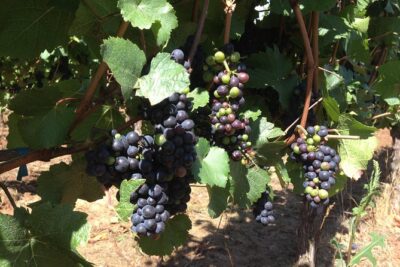 ★ 5.0Willamette Valley Wine Tasting Tour from PortlandFrom $14989 reviews
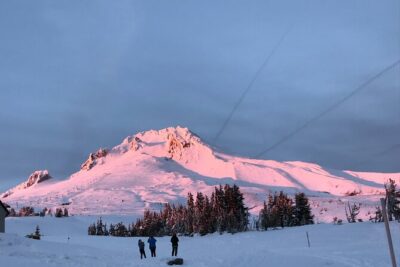 ★ 5.0Mt Hood, Waterfalls, and Wine TourFrom $14787 reviews
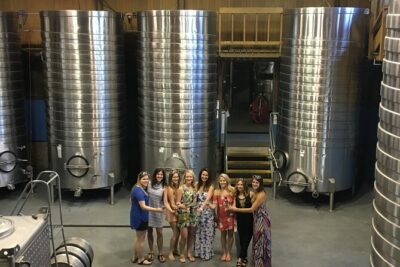 ★ 5.0Small Group: Willamette Valley Wine Tour From Portland (Tasting Fees Included)From $27973 reviews
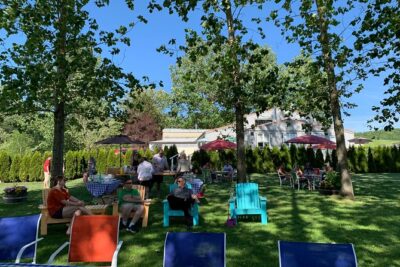 ★ 5.0Private Customized Willamette Valley Wine Maker Tour with lunchFrom $35064 reviews
 ★ 4.5Willamette Valley Wine Tour – Full Day TourFrom $22562 reviews
 ★ 5.0Private Wine Excursion Willamette Valley, Oregon – Wine TourFrom $29059 reviews
Browse the lists this tour appears in